How Property Managers Can Budget for Roof Maintenance Without Surprise Capital Expenses
Roof failures rarely happen without warning signs. Here's how to build a maintenance budget that turns roofing into a predictable line item instead of an emergency.
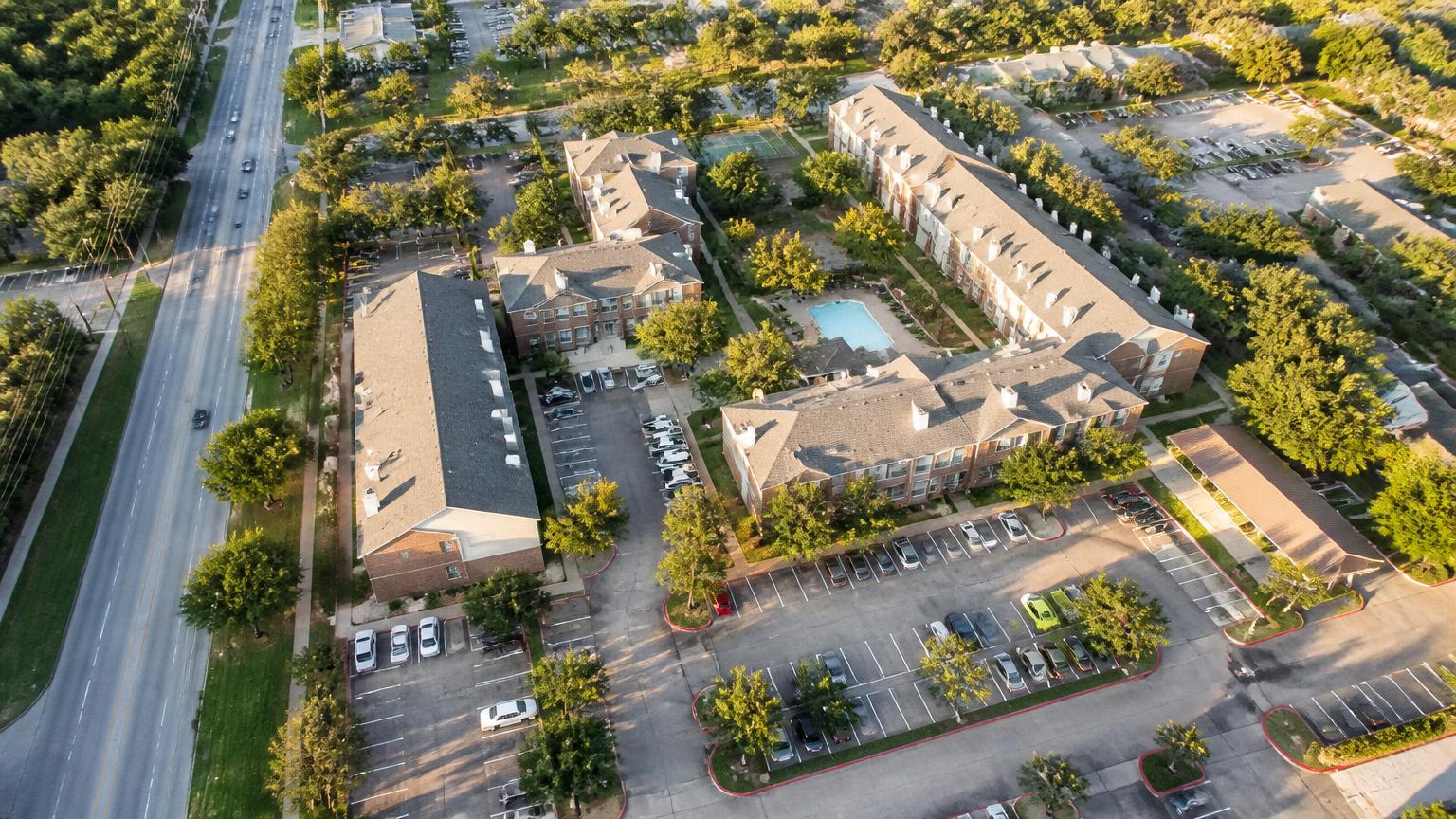
For property managers overseeing multiple buildings — whether a portfolio of retail centers, a garden-style apartment community, or an HOA with dozens of townhome roofs — the single biggest roofing risk isn't a bad roof. It's an unbudgeted one. A roof failure that shows up as a surprise capital expense disrupts reserve funds, delays other planned work, and forces reactive vendor selection under time pressure.
Start With a Portfolio-Wide Condition Baseline
Before a maintenance budget can be built, every roof in the portfolio needs a documented current condition: age, material, estimated remaining service life, and any active or developing issues. Without this baseline, budgeting is guesswork. A one-time portfolio walk-through with written reports per building gives a management company or board the data needed to prioritize spending.
Bucket Roofs Into Three Categories
Once condition data exists, most portfolios sort into three groups: roofs with more than 10 years of remaining life needing only routine maintenance, roofs in the 3-10 year range that need active monitoring and likely a repair budget line, and roofs under 3 years of remaining life that should be moved into next year's capital replacement plan rather than discovered as an emergency.
Build Maintenance Into Operating Budget, Replacement Into Reserves
Routine maintenance — inspections, drain clearing, minor seam and flashing repair — is an operating expense and should be budgeted annually, ideally under a service agreement with a fixed or capped cost. Full roof replacement is a capital expense and belongs in a reserve study or capital plan with a multi-year runway, not a surprise line item requested mid-year.
Use a Single Contractor Relationship Across the Portfolio
Consolidating roofing work with one accountable contractor across multiple properties creates consistency in documentation, pricing, and response time — and gives a property manager one phone call instead of juggling different vendors per building with different quality standards and response times.
Revisit the Plan Annually
Roof conditions change, especially after DFW hail season. An annual re-inspection keeps the multi-year capital plan accurate instead of stale, and gives management the documentation needed to justify budget requests to ownership or an HOA board.
American Dream Roofing offers portfolio condition assessments and ongoing maintenance agreements for property management companies and HOAs across Dallas–Fort Worth. Request a portfolio walk-through or call (844) 893-7326.