Filing a Hail Damage Claim on a Slate, Tile, or Metal Roof: What DFW Homeowners Should Know
Specialty roofs get under-scoped by insurance adjusters more often than standard shingle roofs. Here's why, and what documentation actually protects a claim.
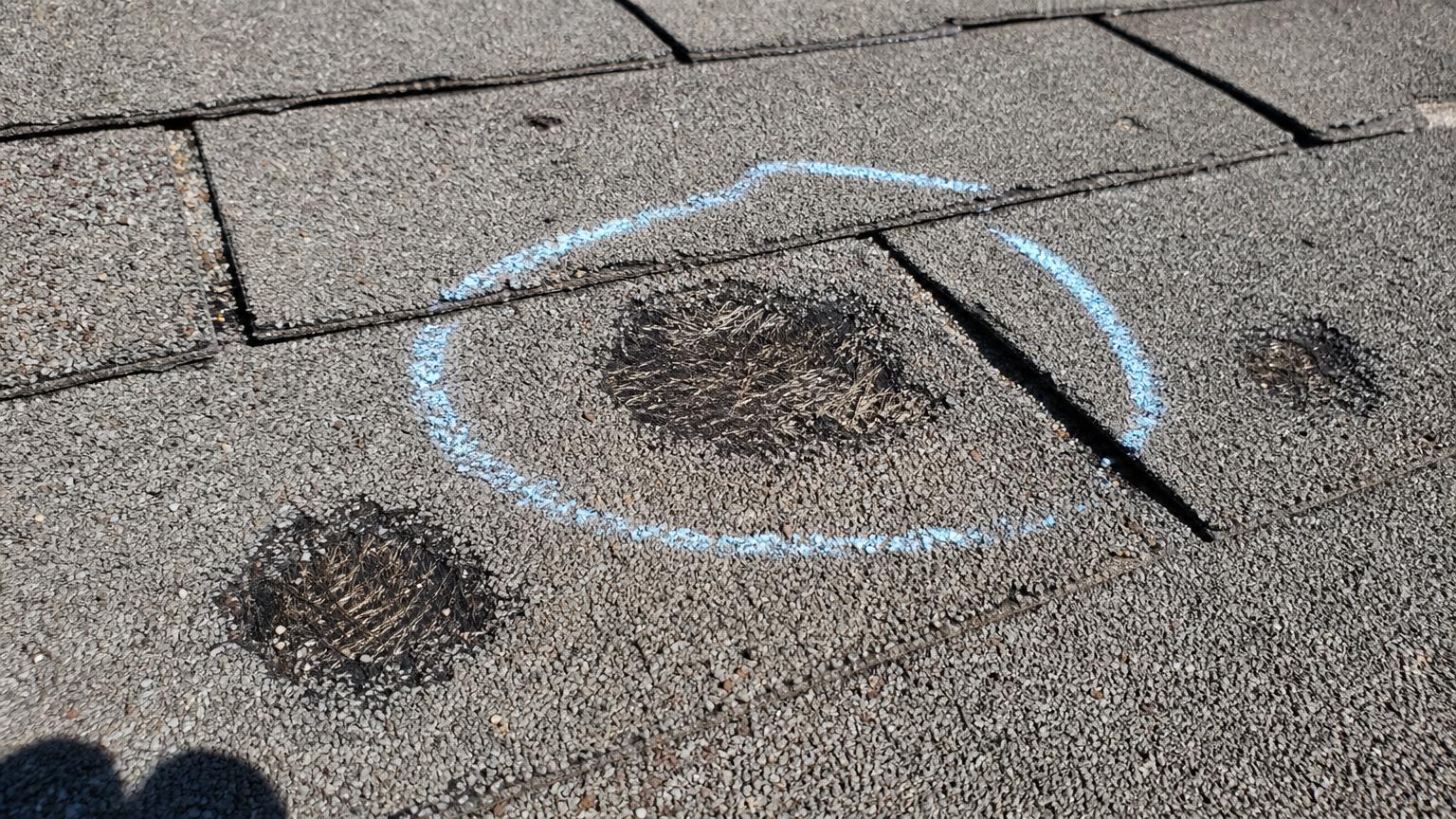
After a hail event, homeowners with standard asphalt shingle roofs generally have a fairly standardized claims process — adjusters see this roof type constantly and know what full-slope replacement looks like. Slate, tile, copper, and standing seam metal roofs are a different story. Because insurance adjusters see far fewer specialty roof claims, these roofs are disproportionately under-scoped, with carriers sometimes offering spot repairs where full-field replacement is actually required to preserve material consistency and manufacturer warranty terms.
Why Specialty Roofs Get Under-Scoped
A field adjuster inspecting 15 asphalt roofs a week may see one tile or slate roof a year. Without material-specific training, hairline slate cracks, granule loss on synthetic slate, or dents on standing seam panels can be missed or dismissed as cosmetic rather than functional damage. Discontinued slate quarries, tile profiles, or standing seam finishes also complicate "repair only" recommendations — if exact matching material isn't available, spot repair isn't actually a viable option regardless of what the estimate says.
Documentation That Strengthens a Specialty Roof Claim
A strong claim file includes ground and roof-level photos of hail impact across the full roof (not just a sample area), a written scope from a contractor experienced in the specific material, confirmation of whether matching material is still manufactured or quarried, and, where available, weather data confirming hail size and date for the property's specific address.
When to Involve a Public Adjuster
For high-value specialty roofs, a licensed public adjuster can be worth engaging before signing off on a carrier's initial scope — particularly when the insurer's estimate proposes partial repair on a material where partial repair isn't realistically achievable. A public adjuster works for the policyholder, not the carrier, and can push back on under-scoped estimates with material-specific documentation.
Working With the Right Contractor
Choose a contractor who will produce a detailed, material-specific damage report before the adjuster meeting — not one who tells you what you want to hear about coverage. That documentation, paired if needed with a public adjuster, is what typically closes the gap between an initial lowball estimate and a fair settlement.
American Dream Roofing documents storm damage on slate, tile, copper, and standing seam metal roofs across Westlake, Southlake, and the greater DFW area, and can coordinate with your insurance carrier or public adjuster. Request a storm damage inspection or call (844) 893-7326.