
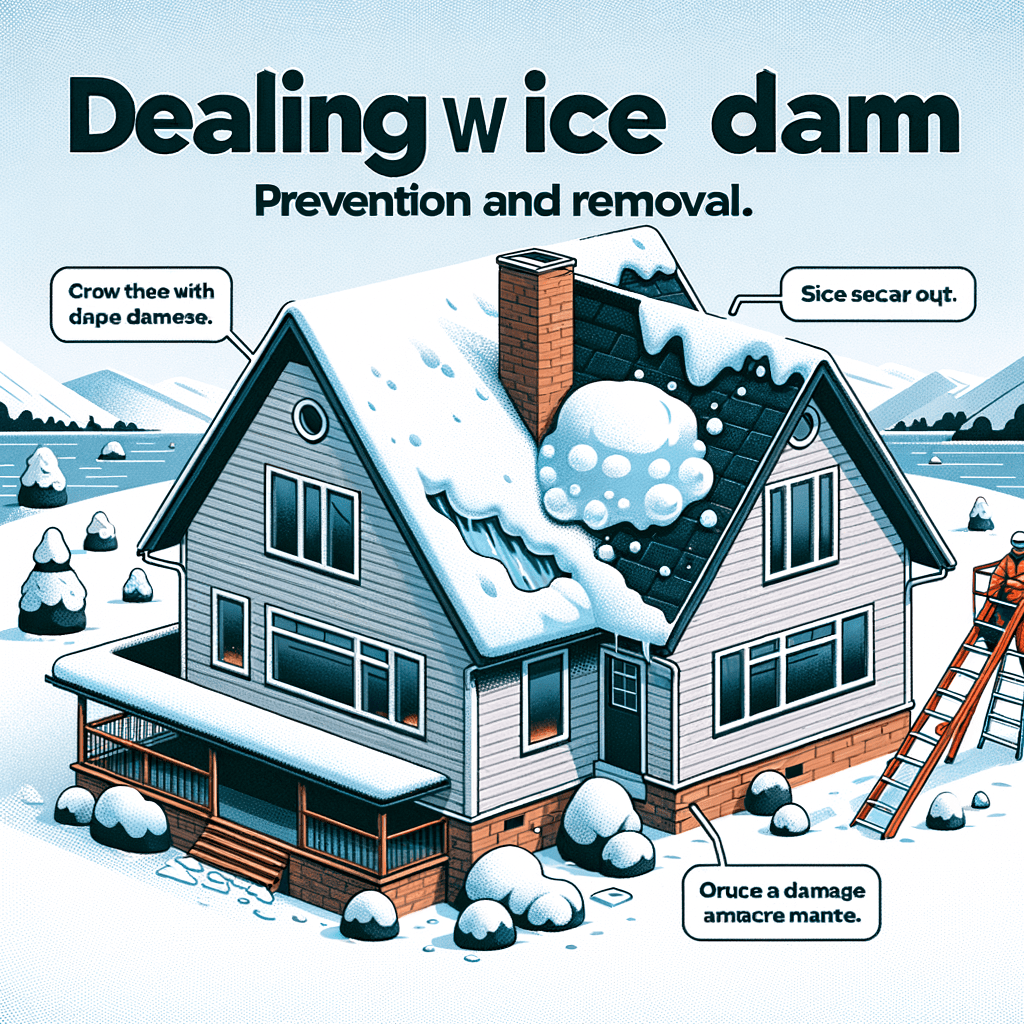
When winter storms roll through, homeowners often focus on the snow piling up in their yards while ignoring a silent threat forming above—the ice dam. These ridges of ice occur when melting snow refreezes at the edge of the roof, preventing proper drainage and leading to costly damage inside and out. For those already navigating hail-related roofing concerns, understanding ice dams is equally crucial. This guide explores how to identify ice dams and roof damage, and how to prevent their recurrence while managing any resulting insurance claims effectively.
Identifying Ice Dams and Assessing Roof Damage
Ice dams typically form when heat from your home causes snow on the roof to melt prematurely. The water then flows toward the eaves, where colder temperatures cause it to refreeze. You can spot early signs of ice dam development by observing thick ridgelines of ice along the gutters or icicles hanging from roof edges. Water stains on ceilings or walls inside the home may also signal that an ice dam is trapping meltwater, forcing it under shingles and into your attic or insulation.
When assessing roof damage following a winter storm that included hail or freezing conditions, start with a careful visual inspection. Look for cracked, curled, or missing shingles where ice or hail impact may have compromised the shingle granules. Hail damage often appears as round dents or softened areas on shingles, while water intrusion caused by an ice dam leaves darker patches or moisture marks on decking and eaves. If possible, document all visible issues with photos or diagrams before contacting your insurer—this helps establish a detailed record for your claim.
Should you suspect internal damage, check your attic for damp insulation or frost buildup on rafters. Persistent leaks can lead to mold growth and structural deterioration over time. Hiring a qualified roofing contractor to inspect both the exterior and interior areas ensures you catch early signs of cumulative hail and ice damage before they worsen. This professional evaluation not only supports your insurance claim but also guides the repair process, helping you prioritize critical fixes.
Preventing Recurrence and Managing Insurance Claims
Preventing ice dams begins with better roof insulation and attic ventilation. Keeping the roof uniformly cold minimizes the temperature differentials that cause melting and refreezing cycles. Adding proper soffit vents, sealing attic air leaks, and increasing insulation above ceilings helps maintain steady interior temperatures. After hail repair work, it’s an ideal time to assess these features—many homeowners overlook attic upgrades when focusing solely on shingle replacement.
If you’ve already experienced water intrusion or roof leaks due to ice dams, address repairs promptly to avoid compounding hail or freeze damage. Use calcium chloride ice melt socks or heat cables in high-risk areas rather than chipping away ice manually, which can harm shingles. Professional roofers often combine safety tools with steam-based removal methods that preserve shingle integrity. By incorporating these preventative measures after repairs, you not only reduce future ice dam risks but also strengthen your home’s resilience to severe weather.
Navigating the insurance process involves prompt action and clear documentation. Notify your insurer as soon as you observe damage and file a claim with photos, inspection reports, and receipts for temporary mitigation steps. Adjusters will look for evidence linking water intrusion or roof failure directly to covered perils like hail or storm impact. Common claim denials arise when damage is attributed to neglect or lack of maintenance, so demonstrating proactive prevention—such as proper insulation upgrades—can strengthen your case. Most repairs are prioritized within weeks of approval, but winter conditions may extend this timeline, making early reporting vital.
Dealing with ice dams is as much about prevention as it is about timely action. For homeowners already managing hail-related roofing issues, understanding how ice and water interact with your roof system can mean the difference between minor inconvenience and major repair bills. By blending smart maintenance practices with diligent insurance documentation, you can safeguard your home, maintain coverage eligibility, and stay one step ahead of winter’s hardest hits.
Pingback: Replacing Your Roof in Winter After Hail Damage | Your Trusted Local Dallas Roofing Partner, TX | American Dream
Pingback: Fixing Roof Ventilation Damage After Hailstorms | Your Trusted Local Dallas Roofing Partner, TX | American Dream